
How Do You Find Your Boudoir Style?
When you decide to have a boudoir photoshoot, one important question arises: which style should you choose ? Boudoir is not simply about taking sexy photographs; it is a way to reconnect with yourself, celebrate your femininity and see yourself in a new light. The style you choose plays an important part in that experience.
The key points, in brief:
Finding your boudoir style means discovering what truly suits you. You can combine outfits, atmospheres and intentions during the same photoshoot: glamour, gentleness, boldness or simplicity. You are guided at every stage so that you feel comfortable and confident. The aim is to create photographs that reveal your individuality while respecting your comfort from beginning to end.
Why does style matter?
Style is about more than choosing outfits or poses. It conveys an emotion, atmosphere and attitude. It sets the tone for the photoshoot and helps every photograph feel like you. You may already have some idea of what you would like your images to look like, but defining a style allows you to move beyond simple labels such as "sexy" or "chic". It helps you explore different sides of your personality and express emotions that are your own. To see how these preferences translate into photographs, browse the boudoir portfolio.
Style conveys your emotions and reveals different sides of your personality.
You do not have to limit yourself to just one style. You can explore several atmospheres during the same boudoir photoshoot: perhaps beginning with something soft and romantic before moving towards bolder or more intense images. This freedom allows you to discover different aspects of yourself and play with contrasting aesthetics.
Your comfort always comes first, however. Stepping slightly outside your usual habits can be exciting, but never at the expense of how you feel. When you are comfortable, that confidence naturally shows in the photographs.
Exploring different styles
There are many interpretations of boudoir. From glamorous to understated, romantic to more daring, every style can be adapted to your personality. Here are a few things to consider as you refine your ideas. You can also explore boudoir without lingerie or nudity, where clothing is very much part of the style.
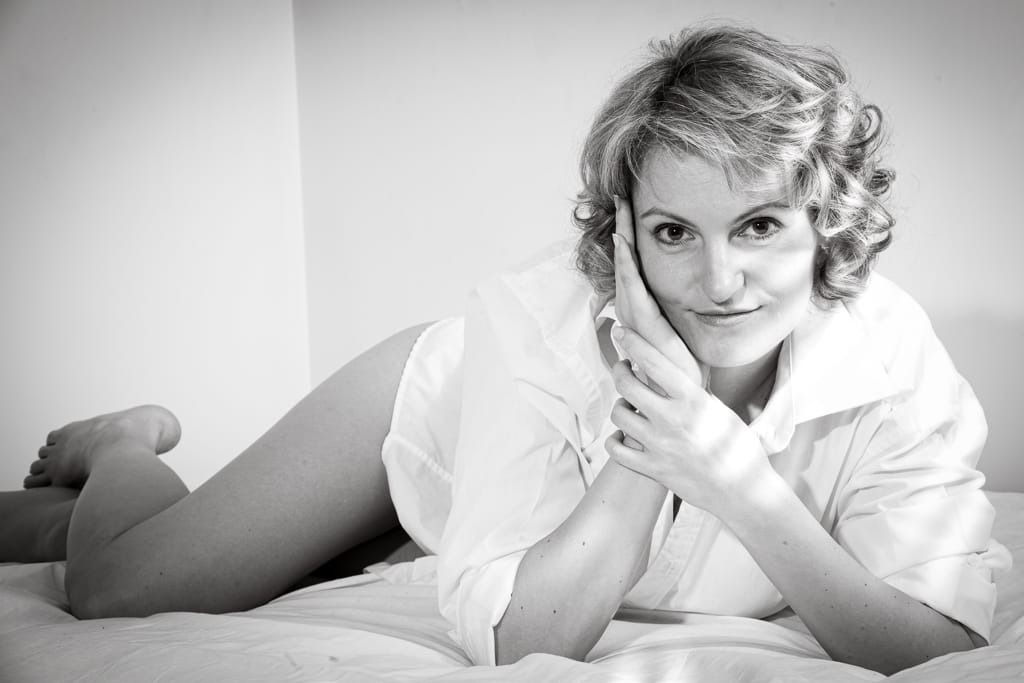
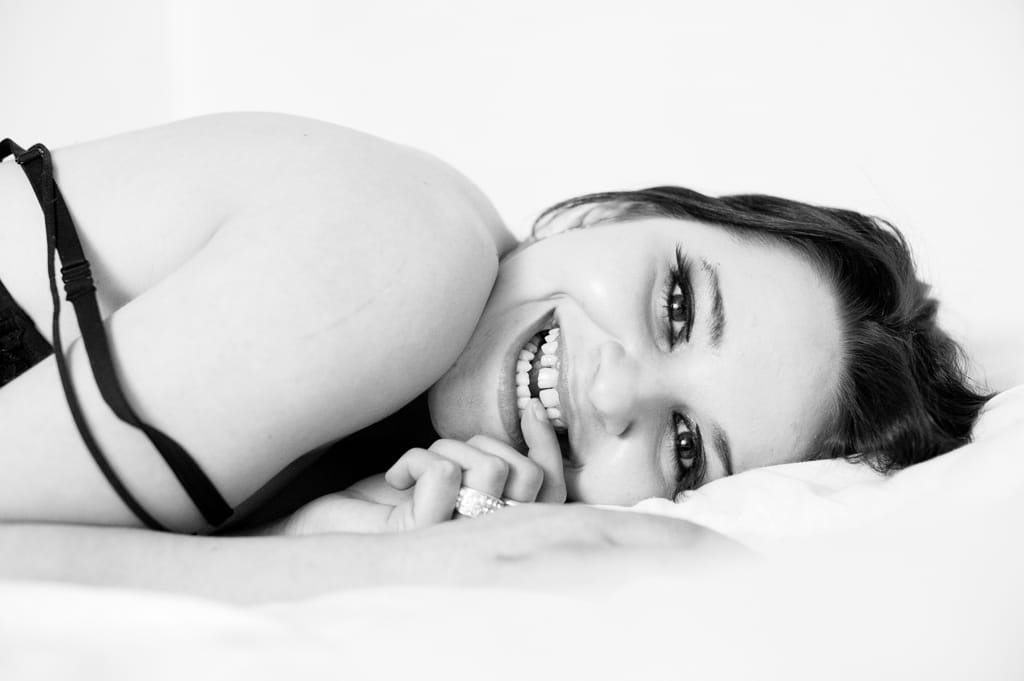
The look of your photographs. One of the first choices is the overall aesthetic of your images. Would you like something timeless or more contemporary? Do you prefer black-and-white portraits, with their classic, cinematic elegance, or colourful photographs that feel brighter and more vibrant? Think about the atmosphere that appeals to you and how you would like to feel when you see the photographs.
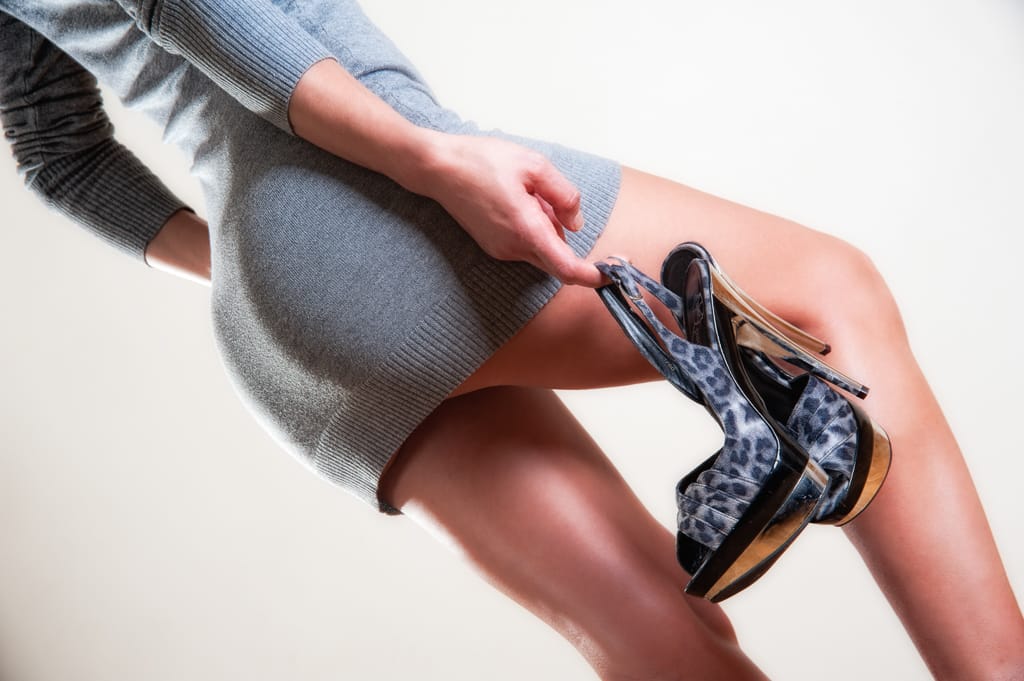
Outfits. When we think of boudoir, lingerie often springs immediately to mind. Yet it is only one possibility among many. You might choose something particularly feminine, pose nude or prefer a more relaxed style. An oversized jumper slipping off your shoulders, a shirt or an item of clothing that means something to you can create an equally intimate, sensual photograph. What matters is that your outfit allows you to feel fully yourself.
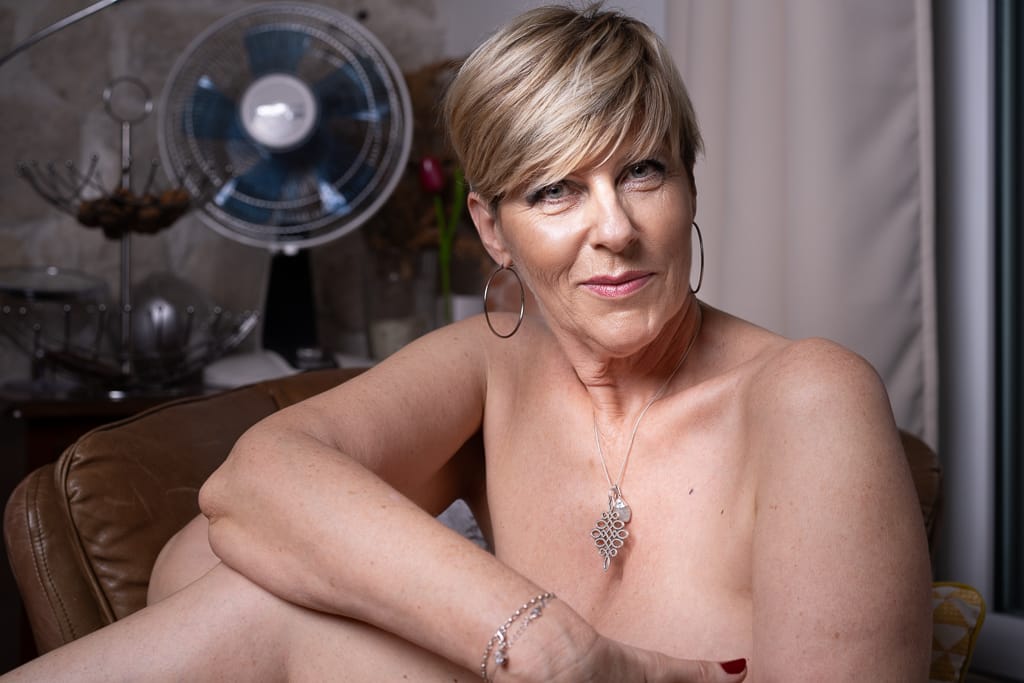
The intensity of your expression. The intensity of a boudoir photograph is not determined by how much skin you reveal. It lies in your gaze, posture, expression and the subtlety of your movements. A smile, a calm attitude or a more assertive presence can be enough to give an image its strength. You do not need to know how to create that effect: guiding you and allowing that intensity to emerge naturally is the job of the person taking your photographs.
How do you find your style?
Begin with what you want. Ask yourself what you would like your photographs to express. Do you want to feel elegant, sensual, daring, gentle or vulnerable? Think about what you like about yourself and what you would like to highlight. Your eyes might become the focal point of your portraits, or perhaps a more delicate attitude or assertive energy will take centre stage. What matters is never forcing yourself into a style that does not feel like you. For more inspiration, explore ten ideas for personalising your photoshoot.
Look for inspiration. Before your photoshoot, you can browse Pinterest, Instagram, magazines or portfolios to identify images that appeal to you. These references can introduce you to atmospheres, lighting and outfits you might not have considered. They should, however, remain starting points. An aesthetic that works for someone else will not necessarily suit your personality.
Talk before the photoshoot. As your ideas begin to take shape, share them with the person who will photograph you. This conversation allows you to refine your plans and make sure they suit your comfort level, the chosen location and the results you hope to achieve. A boudoir photographer should be able to suggest poses, outfits and atmospheres that flatter you while clearly respecting your boundaries.
So, which style should you choose?
Boudoir is a moment of enjoyment and letting go, when you can explore different sides of yourself. You can combine several styles in one boudoir photoshoot: classic, relaxed, romantic, glamorous or more daring. They may complement one another or create deliberate contrasts. To turn inspiration into a real project, explore the photoshoot options in Lille, Paris and Brussels, including the locations and collections available in each city.
What matters is that every choice brings you pleasure and allows your personality to shine through. Whatever atmosphere or outfit you choose, the photographs should, above all, feel like you.
Frequently asked questions
If anything is still unclear — or if you are ready to imagine your own photoshoot — I am here to listen!
Should I prepare a moodboard before my boudoir shoot?
How many different looks should I plan for a boudoir session?
Should I choose black and white or colour boudoir photos?
Can simple clothes create a strong boudoir style?
What makes a boudoir style elegant rather than cliché?
What if I like several very different boudoir styles?